Travel Guide to Tanzania: Exploring the Heart of Africa
Tanzania, known for its stunning landscapes, rich wildlife, and vibrant cultures, is a destination that promises an unforgettable adventure. This travel guide to Tanzania will take you through the diverse regions of this East African gem, from the iconic Serengeti National Park and majestic Mount Kilimanjaro to the pristine beaches of Zanzibar and the cultural riches of its cities. Whether you’re a wildlife enthusiast, an adventure seeker, or a cultural explorer, Tanzania offers something for everyone.
Serengeti National Park – Wildlife Wonderland
Serengeti National Park is synonymous with wildlife and is one of the most famous safari destinations in the world. The park is renowned for the Great Migration, where millions of wildebeest, zebras, and gazelles migrate in search of fresh grazing grounds, creating one of nature’s most spectacular events.
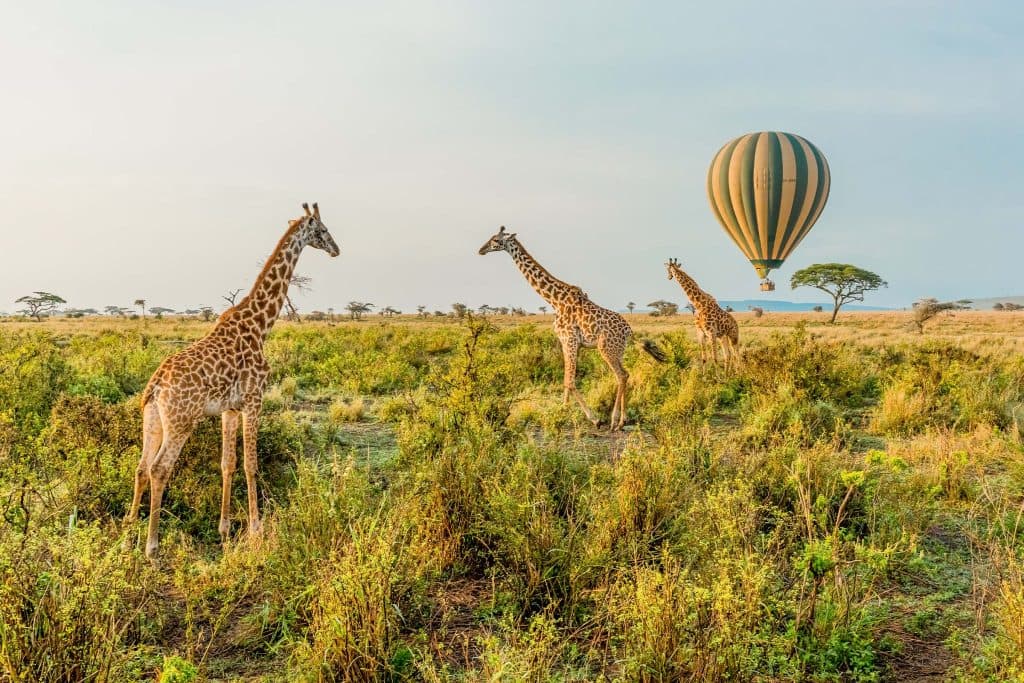
Embark on a safari adventure to witness the Big Five—lions, elephants, leopards, buffaloes, and rhinoceroses—along with countless other species in their natural habitat. The park’s vast plains, dotted with acacia trees, provide the perfect backdrop for wildlife viewing.
A hot air balloon ride over the Serengeti at sunrise offers a unique perspective of the landscape and its inhabitants. As you float silently above the plains, you’ll witness the morning activities of the wildlife below.
Daily expenses in the Serengeti range from $200 to $1000, depending on the type of safari and accommodation. Lodges and tented camps within the park offer comfortable stays with varying levels of luxury. Meals typically include hearty breakfasts, packed lunches for safari trips, and dinners served at the lodges. Let’s move on to the next destination in our Travel Guide to Tanzania.
Mount Kilimanjaro – The Roof of Africa
Mount Kilimanjaro, Africa’s highest peak, is a must-visit for adventure enthusiasts. Climbing Kilimanjaro is a challenging yet rewarding experience, offering breathtaking views and a sense of accomplishment like no other.
There are several routes to the summit, each varying in difficulty and duration. The Marangu Route, also known as the Coca-Cola Route, is the most popular and offers hut accommodations along the way. The Machame Route, or Whiskey Route, is more challenging but provides stunning scenic vistas.
The trek to the summit takes you through diverse climatic zones, from lush rainforests at the base to barren alpine deserts and finally the icy summit. Reaching Uhuru Peak, the highest point, at sunrise is an unforgettable experience, with panoramic views extending over the African plains.
Daily expenses for climbing Kilimanjaro range from $1000 to $3000, covering park fees, guides, porters, accommodation, and meals. It’s essential to hire a reputable tour operator to ensure a safe and enjoyable climb. Meals on the trek typically include simple but nutritious options to keep climbers energized.
Zanzibar – Tropical Paradise
Zanzibar, an archipelago off the coast of Tanzania, is famous for its white sandy beaches, turquoise waters, and rich cultural history. The main island, Unguja, offers a perfect blend of relaxation and exploration.
Start your journey in Stone Town, a UNESCO World Heritage site known for its narrow winding streets, historic buildings, and vibrant markets. Visit the House of Wonders, the Old Fort, and the Sultan’s Palace to delve into the island’s history.
Relax on the pristine beaches of Nungwi and Kendwa in the north, where you can indulge in water activities such as snorkeling, diving, and sailing. The coral reefs surrounding the island are home to a diverse array of marine life, making it a paradise for underwater enthusiasts.
Explore the Spice Plantations to learn about the island’s spice trade history and sample fresh spices like cloves, nutmeg, and cinnamon. The Jozani Forest is another must-visit, home to the rare red colobus monkeys and other unique flora and fauna.
Daily expenses in Zanzibar range from $50 to $300, covering accommodation, meals, and activities. Beachfront resorts and boutique hotels offer various levels of comfort and luxury. Enjoy fresh seafood, Swahili cuisine, and tropical fruits at local restaurants.
Ngorongoro Crater – Natural Wonder
The Ngorongoro Crater, the world’s largest inactive volcanic caldera, is a UNESCO World Heritage site and one of Tanzania’s premier wildlife destinations. The crater’s unique ecosystem supports a diverse array of wildlife, making it a must-visit for nature lovers.
A safari in the crater offers the chance to see the Big Five, as well as other species such as cheetahs, hyenas, and flamingos. The crater floor is dotted with watering holes, grasslands, and acacia forests, providing a picturesque setting for wildlife viewing.
Visit the Olduvai Gorge, an important archaeological site located nearby, to learn about early human history and the significant discoveries made in the area. The museum at the site offers fascinating insights into the evolution of humans.
Daily expenses in the Ngorongoro Crater range from $300 to $1500, including park fees, safari tours, and accommodation. Lodges and camps on the crater rim offer stunning views and comfortable stays. Meals typically include a mix of international and local cuisine.
Dar es Salaam – The Cultural Hub
The next destination in our Travel guide to Tanzania is Dar es Salaam, Tanzania’s largest city, which is a bustling metropolis that offers a blend of modernity and tradition. The city serves as the main gateway to the country and offers plenty of attractions for visitors.
Start your exploration at the National Museum of Tanzania, which showcases the country’s history, culture, and natural heritage. The museum’s exhibits include fossils from Olduvai Gorge, traditional artifacts, and colonial-era displays.
Visit the Kivukoni Fish Market, a lively market where you can witness the daily catch being auctioned and sample fresh seafood. The market offers a glimpse into the city’s vibrant culture and way of life.
The Village Museum is another must-visit, featuring traditional Tanzanian huts and showcasing the diverse cultures and traditions of the country’s various ethnic groups. The museum hosts regular performances of traditional music and dance.
Daily expenses in Dar es Salaam range from $50 to $200, covering accommodation, meals, and transportation. The city offers a range of accommodations, from budget guesthouses to luxury hotels. Enjoy local dishes such as nyama choma (grilled meat), ugali (maize porridge), and samaki (fish).
Conclusion: Travel Guide To Tanzania
Tanzania, with its diverse landscapes and rich cultural heritage, offers an unparalleled travel experience. This travel guide to Tanzania highlights some of the best places to visit, from the wildlife-rich Serengeti and the towering Mount Kilimanjaro to the tropical paradise of Zanzibar and the cultural hub of Dar es Salaam. Whether you’re on a safari adventure, climbing a mountain, or relaxing on a beach, Tanzania promises a journey filled with unforgettable memories.
FAQs
The best time to visit Tanzania is during the dry season, from June to October, which offers the best wildlife viewing opportunities and pleasant weather.
The cost of a trip to Tanzania varies by destination and travel style. On average, expect to spend between $50 and $1500 per day, covering accommodation, meals, and activities.
Yes, it is recommended to get vaccinations for diseases such as yellow fever, typhoid, and hepatitis A. Malaria prophylaxis is also advised, as malaria is prevalent in many parts of the country.
The official languages of Tanzania are Swahili and English. English is widely spoken in tourist areas, making it easy for travellers to communicate.
When visiting Tanzania, it’s important to:
1. Dress modestly, especially in rural areas and during visits to religious sites.
2. Greet people with a handshake and use the right hand for eating and giving or receiving items.
3. Respect local traditions and customs, including the proper way to address elders and community leaders.