Travel Guide to New Zealand: Exploring the Land of The Long White Cloud
New Zealand, known as Aotearoa in Māori, is a country of breathtaking landscapes, vibrant cities, and rich cultural heritage. This travel guide to New Zealand will take you through the country’s stunning natural wonders, from the dramatic fjords of Milford Sound and the geothermal wonders of Rotorua to the pristine beaches of the Coromandel Peninsula and the vibrant streets of Wellington. Whether you’re an adventure seeker, a nature lover, or a culture enthusiast, New Zealand offers something for everyone.
Auckland – The City of Sails
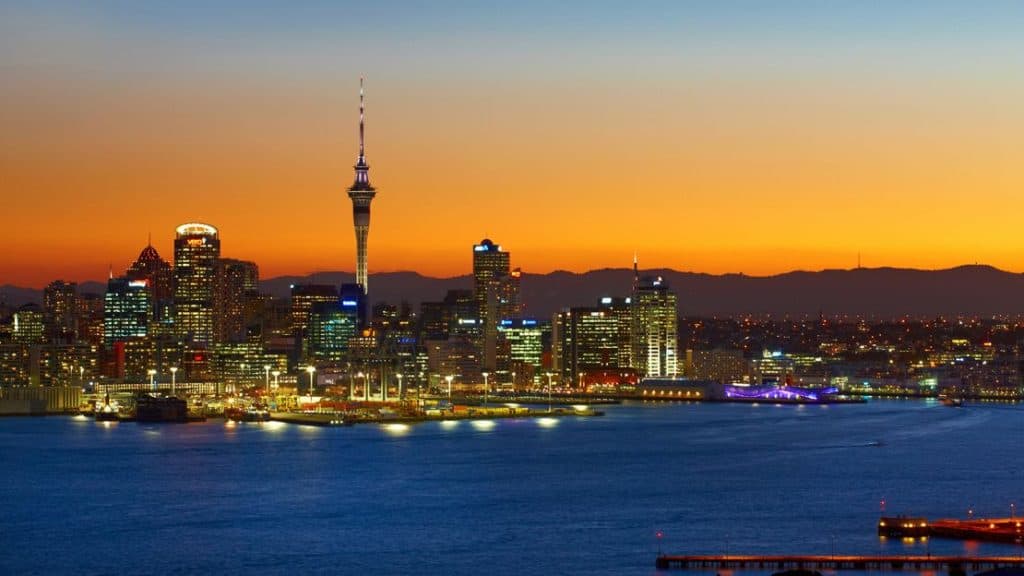
The first location in our Travel Guide to New Zealand is Auckland, New Zealand’s largest city, and is often the starting point for many travellers. Known as the “City of Sails,” Auckland is surrounded by water and dotted with numerous islands.
Start your exploration at the Sky Tower, the tallest freestanding structure in the Southern Hemisphere. From the observation deck, you can enjoy panoramic views of the city and its stunning harbour.
Take a ferry to Waiheke Island, famous for its vineyards, olive groves, and beautiful beaches. Spend a day wine tasting, relaxing on the beach, and exploring the island’s charming villages.
Visit the Auckland War Memorial Museum to learn about New Zealand’s history and Māori culture. The museum’s extensive collection includes artefacts, art, and exhibits on natural history and military history.
Daily expenses in Auckland range from $100 to $300, covering accommodation, meals, and activities. The city offers a wide range of accommodations, from budget hostels to luxury hotels. Enjoy fresh seafood, international cuisine, and local specialities at the city’s many restaurants.
Rotorua – Geothermal Wonders
Rotorua, located in the central North Island, is known for its geothermal activity and Māori culture. The city is home to bubbling mud pools, geysers, and natural hot springs.
Visit Te Puia to see the famous Pōhutu Geyser, which erupts several times a day. The site also features boiling mud pools, hot springs, and a Māori cultural centre where you can learn about traditional carving and weaving.
Take a dip in the natural hot springs at Polynesian Spa, where you can relax in the therapeutic waters while enjoying views of Lake Rotorua. The spa offers a range of pools, including family pools, adult-only pools, and private pools.
Explore the Redwoods Whakarewarewa Forest, a stunning forest with towering redwood trees and numerous walking and biking trails. The forest’s suspension bridges and elevated walkways offer a unique perspective of the forest canopy.
Daily expenses in Rotorua range from $80 to $250, covering accommodation, meals, and activities. The city offers a range of accommodations, from budget motels to boutique lodges. Enjoy traditional Māori hangi (earth-cooked meal), fresh lake fish, and other local dishes at the city’s restaurants.
Queenstown – Adventure Capital
Queenstown, located on the shores of Lake Wakatipu in the South Island, is known as the adventure capital of New Zealand. The town offers a wide range of outdoor activities, from skiing and snowboarding to bungee jumping and jet boating.
Take a ride on the Skyline Gondola to the top of Bob’s Peak for stunning views of Queenstown and the surrounding mountains. At the top, you can enjoy a meal at the Stratosfare Restaurant, try the luge tracks, or simply take in the panoramic views.
Experience the thrill of bungee jumping at the Kawarau Bridge, the world’s first commercial bungee jumping site. For a different kind of adrenaline rush, try jet boating on the Shotover River, where you’ll navigate narrow canyons and perform high-speed spins.
In winter, hit the slopes at The Remarkables and Coronet Peak, two of the South Island’s premier ski resorts. Both resorts offer a range of runs for skiers and snowboarders of all levels, along with stunning alpine scenery.
Daily expenses in Queenstown range from $120 to $400, covering accommodation, meals, and activities. The town offers a range of accommodations, from budget hostels to luxury lodges. Enjoy hearty meals at local pubs, fine dining at upscale restaurants, and fresh local produce at farmers’ markets.
Fiordland National Park – Natural Marvel
Fiordland National Park, located in the southwest of the South Island, is home to some of New Zealand’s most stunning natural landscapes. The park’s dramatic fjords, towering cliffs, and pristine lakes make it a must-visit destination.
Explore Milford Sound, one of the most famous fjords, on a scenic cruise. The fjord’s sheer cliffs, cascading waterfalls, and lush rainforests create a breathtaking scene. Keep an eye out for wildlife, including dolphins, seals, and penguins.
Take a hike on the Milford Track, often referred to as the “finest walk in the world.” The track takes you through lush rainforests, across suspension bridges, and along stunning alpine passes. The hike takes four days to complete and requires a moderate level of fitness.
Visit Doubtful Sound, a more remote and less visited fjord, for a truly immersive wilderness experience. A day trip to Doubtful Sound includes a cruise across Lake Manapouri and a bus ride over Wilmot Pass before reaching the fjord.
Daily expenses in Fiordland range from $100 to $350, covering accommodation, meals, and activities. The area offers a range of accommodations, from basic campsites to luxury lodges. Enjoy picnics with stunning views, hearty meals at local cafes, and fresh seafood at lodges. Let’s move on to the next destination in our Travel guide to New Zealand.
Wellington – The Cool Capital
Wellington, New Zealand’s capital city, is known for its vibrant arts scene, eclectic cafes, and stunning harbour views. The city offers a mix of cultural attractions, outdoor activities, and culinary delights.
Start your visit at Te Papa Tongarewa, the Museum of New Zealand, which offers interactive exhibits on the country’s history, culture, and natural environment. Highlights include the Māori cultural exhibits and the colossal squid display.
Stroll along the Wellington Waterfront, where you can enjoy beautiful harbour views, visit outdoor markets, and dine at waterfront restaurants. The area is also home to the Wellington Museum and the New Zealand Film Archive.
Take a ride on the Wellington Cable Car to the Botanic Garden, where you can explore beautiful gardens, walking trails, and the Space Place at Carter Observatory. The cable car offers panoramic views of the city and harbour.
Daily expenses in Wellington range from $80 to $250, covering accommodation, meals, and activities. The city offers a range of accommodations, from budget hostels to boutique hotels. Enjoy a diverse culinary scene with everything from street food to fine dining, and don’t miss the chance to try Wellington’s famous coffee.
Conclusion: Travel Guide To Zealand
New Zealand, with its diverse landscapes and rich cultural heritage, offers an unparalleled travel experience. This travel guide to New Zealand highlights some of the best places to visit, from the vibrant city of Auckland and the geothermal wonders of Rotorua to the adventure-filled Queenstown and the natural marvels of Fiordland National Park. Whether you’re seeking adventure, relaxation, or cultural enrichment, New Zealand promises a journey filled with unforgettable memories.
FAQs
The best time to visit New Zealand is during the summer months (December to February) for warm weather and outdoor activities. However, the shoulder seasons (spring and autumn) also offer pleasant weather and fewer crowds.
The cost of a trip to New Zealand varies depending on travel style and destination. On average, expect to spend between $80 and $400 per day, covering accommodation, meals, and activities.
New Zealand is a safe destination with no specific health precautions required. However, it’s always a good idea to have travel insurance and be up-to-date with routine vaccinations.
The official languages of New Zealand are English and Māori. English is widely spoken throughout the country, making it easy for travelers to communicate.
When visiting New Zealand, it’s important to:
1. Show respect for Māori culture and traditions, including the correct pronunciation of Māori words.
2. Follow the principle of “Leave No Trace” when exploring natural areas, ensuring that you leave the environment as you found it.
3. Respect the country’s biosecurity laws by declaring any food, plant, or animal products upon arrival.