Travel Guide to Greece: Exploring History, Culture, and Beauty
Greece, a country where ancient history meets modern vibrancy, offers travelers an unforgettable experience. This travel guide to Greece will take you through the best places to visit, from bustling cities to serene islands, while providing insights into local culture, must-see attractions, and practical travel tips. Discover how to make the most of a journey through this enchanting land filled with myths, legends, and stunning landscapes.
Athens – The Cradle of Civilization
Athens, the capital city, is a must-visit for anyone traveling to Greece. Known as the cradle of Western civilization, Athens is home to some of the most iconic historical sites in the world.
The Acropolis and Parthenon
No visit to Athens is complete without exploring the Acropolis. This ancient citadel, perched high above the city, houses the Parthenon, a temple dedicated to the goddess Athena. The entry fee is €20, but visiting on the first Sunday of the month from November to March offers free admission. Walking through the ruins and learning about the history behind these structures is a humbling experience.
Plaka and Monastiraki
After exploring the Acropolis, wander through the neighborhoods of Plaka and Monastiraki. These areas are known for their narrow streets, vibrant shops, and local tavernas. Enjoy a meal at a traditional taverna, where dishes like moussaka and souvlaki can be savored for around €10-15. Don’t miss the Monastiraki Flea Market for unique souvenirs and antiques.
Santorini – The Jewel of the Aegean
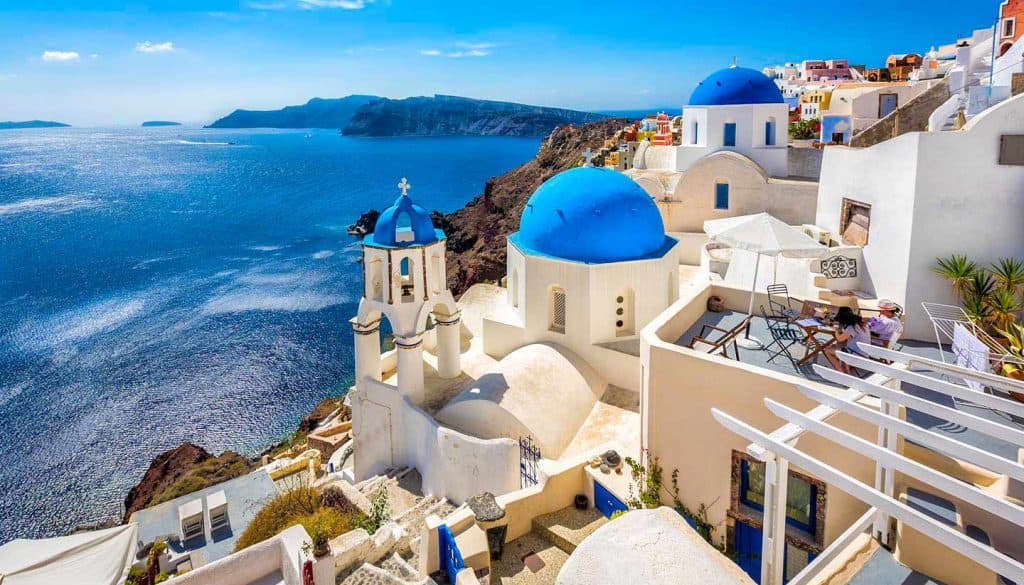
Santorini, with its white-washed buildings and breathtaking sunsets, is one of Greece’s most famous islands. This picturesque destination offers a perfect blend of relaxation and adventure.
Oia and Fira
The towns of Oia and Fira are must-sees in Santorini. Oia is renowned for its stunning sunsets, attracting visitors from around the world. Arrive early to secure a good viewing spot and enjoy the magical evening light. Fira, the island’s capital, is bustling with shops, cafes, and nightlife. Walking between these towns along the caldera edge provides spectacular views and unforgettable photo opportunities.
Red Beach and Kamari Beach
Santorini’s unique volcanic landscape creates extraordinary beaches. Red Beach, with its striking red cliffs, and Kamari Beach, known for its black sand, are both worth a visit. These beaches offer a chance to relax by the crystal-clear waters without spending much. Beachside cafes and restaurants provide affordable dining options, with meals averaging €10-15.
Crete – The Land of Myths
Crete, the largest Greek island, is rich in history, culture, and natural beauty. It’s an ideal destination for those looking to explore beyond the typical tourist path.
Knossos Palace
Knossos Palace, near Heraklion, is one of the most significant archaeological sites in Greece. This ancient Minoan palace, believed to be the labyrinth of the Minotaur myth, is fascinating to explore. The entry fee is €15, with reduced prices available for students and seniors. Guided tours offer deeper insights into the palace’s history and significance.
Chania and Rethymno
The charming towns of Chania and Rethymno are perfect for experiencing Cretan culture. Chania’s old town features Venetian architecture, narrow streets, and a picturesque harbor. Rethymno, with its well-preserved Renaissance buildings, offers a blend of history and modernity. Both towns have numerous local eateries where you can enjoy Cretan specialties like dakos and kalitsounia for around €8-12.
Rhodes – Island of the Knights
Known for its medieval history and beautiful beaches, offers a diverse experience for travelers.
Rhodes Old Town
Rhodes Old Town is a UNESCO World Heritage site and a must-visit. Walking through the medieval streets feels like stepping back in time. Key attractions include the Palace of the Grand Master, Street of the Knights, and the Archaeological Museum. Entry to the palace is €6, but simply wandering the streets and soaking in the atmosphere is free.
Lindos
Moving on with our Travel Guide to Greece, the village of Lindos, with its stunning Acropolis overlooking the sea, is another highlight. Climbing to the top offers panoramic views of the Aegean and the ancient ruins. The entry fee is €12, and it’s best to visit early in the morning or late afternoon to avoid the heat. Enjoy a meal at a rooftop restaurant in Lindos, with prices averaging €10-15.
Thessaloniki – The Cultural Capital
Thessaloniki, Greece’s second-largest city, is known for its vibrant cultural scene and rich history.
White Tower and Waterfront
The White Tower is a symbol of Thessaloniki and offers great views of the city from its top. Entry is €4, and the tower’s museum provides insights into the city’s history. Strolling along the waterfront, lined with cafes and restaurants, is a pleasant way to spend an afternoon.
Rotunda and Arch of Galerius
The Rotunda, initially built as a mausoleum and later converted into a church, is one of Thessaloniki’s oldest monuments. Nearby, the Arch of Galerius stands as a testament to the city’s Roman past. Visiting these sites is free, making it easy to explore Thessaloniki’s history on a budget.
Mykonos – The Party Island
Mykonos is famous for its vibrant nightlife, stunning beaches, and charming old town. While it can be more expensive, there are still ways to enjoy Mykonos affordably.
Mykonos Town
Furthermore in our Travel Guide to Greece, Mykonos Town, also known as Chora, is a maze of narrow streets filled with shops, cafes, and bars. The iconic windmills and Little Venice area are great spots for photos. While dining in Mykonos Town can be pricey, look for local eateries offering gyros and souvlaki for around €5-7.
Beaches of Mykonos
Beaches like Paradise and Super Paradise are well-known for their beach parties, but quieter spots like Agios Sostis and Fokos Beach offer a more relaxed atmosphere. These beaches are free to visit, and packing a picnic can help save on food costs.
Delphi – The Center of the Ancient World
Once considered the center of the world in ancient Greek religion, is a fascinating archaeological site.
Delphi Archaeological Site
The site includes the Temple of Apollo, the ancient theater, and the stadium. The entry fee is €12, and a combined ticket with the museum is available for €15. Visiting Delphi offers a glimpse into ancient Greek civilization and its spiritual practices.
Conclusion: Travel Guide To Greece
Greece, with its blend of ancient history, vibrant culture, and stunning natural beauty, offers an array of experiences for travelers. From the bustling streets of Athens to the serene beaches of Santorini, every corner of Greece has something unique to offer. Whether exploring historical ruins, savoring local cuisine, or soaking up the sun on pristine beaches, this travel guide to Greece ensures a memorable journey through this enchanting land.
FAQs
The best time to visit Greece is during the spring (April to June) and autumn (September to October), when the weather is pleasant and the crowds are smaller. These periods also offer more affordable prices compared to the peak summer season.
The cost of a trip to Greece can vary based on travel style. On average, budget travelers can expect to spend around €50-70 per day, including accommodation, meals, and transportation. Mid-range travelers might spend around €100-150 per day.
While knowing Greek can be helpful, it is not necessary to speak the language to travel around Greece. Many people in the tourism industry speak English, and major cities and tourist areas have English signs. Learning a few basic Greek phrases can enhance the experience.
Budget-friendly transportation options in Greece include public buses, trains, and ferries. For local travel, consider using buses and trams in cities. Renting a car or scooter can also be cost-effective for exploring islands and rural areas.
Yes, there are several cultural customs to be aware of in Greece:
1. Greet people with a friendly “kalispera” (good evening) or “kalimera” (good morning).
2. Dress modestly when visiting churches and monasteries.
3. Tipping in restaurants is appreciated but not obligatory; rounding up the bill is common.
4. Show respect when discussing local traditions and history.