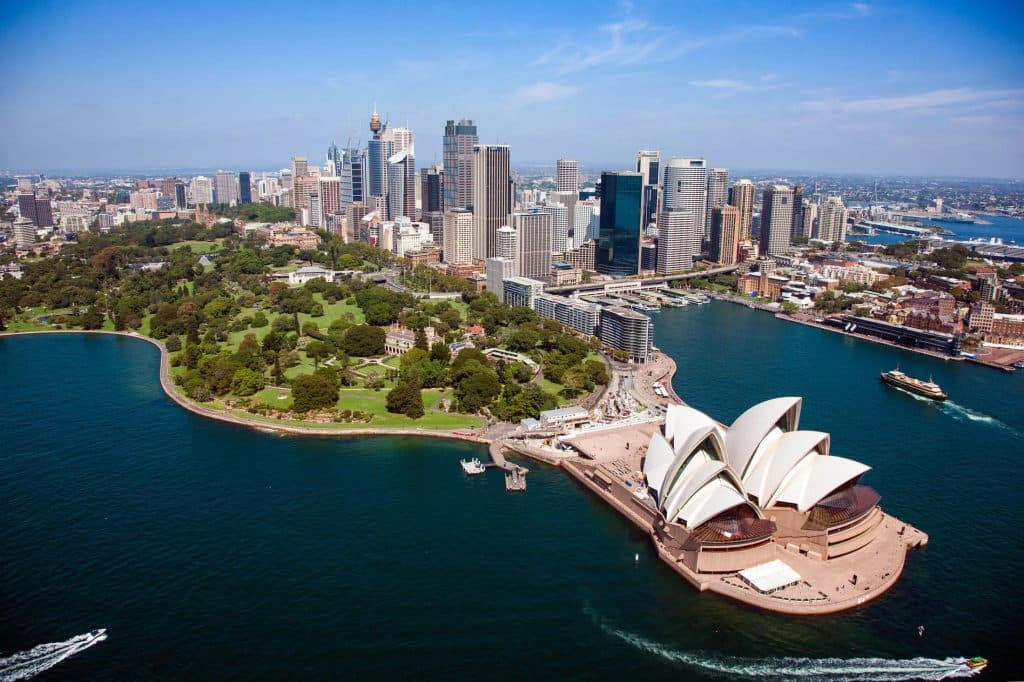
Travel Guide to Australia: Exploring the Land Down Under
Australia, known for its diverse landscapes, vibrant cities, and unique wildlife, is a destination that promises a memorable adventure. From the iconic Sydney Opera House and the Great Barrier Reef to the rugged Outback and pristine beaches, this travel guide to Australia will help navigate through the best places to visit, local culture, and practical tips for an unforgettable journey.
Discover the beauty, excitement, and cultural richness that make Australia a must-visit destination. Whether planning a first visit or returning to explore more, this guide covers all the essentials.
Sydney – The Harbour City
The first city in our Travel Guide To Australia is Sydney, Australia’s largest city, which is renowned for its stunning harbour, world-class beaches, and vibrant cultural scene.
Opera House and Harbour Bridge
A visit to Sydney wouldn’t be complete without seeing the iconic Sydney Opera House and the Harbour Bridge. Guided tours of the Opera House cost around AUD 42 ($28), while the BridgeClimb experience offers breathtaking views of the city for AUD 174-374 ($120-260).
Bondi Beach
Bondi Beach is one of the most famous beaches in the world, known for its golden sands and surf culture. Enjoy a coastal walk from Bondi to Coogee, a 6 km trail that takes about two hours to complete. Surfboard rentals cost approximately AUD 20-30 ($13-20) per hour.
The Rocks
The Rocks, Sydney’s historic district, offers a glimpse into the city’s past with its cobblestone streets, markets, and colonial-era buildings. Exploring The Rocks is free, though guided tours cost around AUD 30 ($20).
Melbourne – The Cultural Capital
Melbourne, often referred to as Australia’s cultural capital, is famous for its arts scene, coffee culture, and sporting events.
Federation Square
Federation Square, a hub of arts and culture, is home to galleries, museums, and vibrant public spaces. Entry to the Australian Centre for the Moving Image and the Ian Potter Centre is free.
Melbourne’s Laneways and Arcades
Exploring Melbourne’s laneways and arcades reveals a maze of street art, boutique shops, and hidden cafes. Don’t miss Hosier Lane for its ever-changing graffiti art. Free walking tours are available, though a tip of around AUD 10-20 ($7-13) is customary.
Queen Victoria Market
Queen Victoria Market is a historic landmark where visitors can experience local produce, delicacies, and unique souvenirs. The market is open on specific days, and entry is free. Guided tours cost about AUD 69 ($46) and include tastings.
Great Barrier Reef – The Underwater Wonderland
The Great Barrier Reef, the world’s largest coral reef system, is a natural wonder that offers unparalleled underwater experiences.
Snorkeling and Diving
Snorkeling and diving in the Great Barrier Reef are must-do activities. Day tours from Cairns cost around AUD 200-250 ($135-170), including equipment rental and lunch. Certified divers can expect to pay about AUD 300-350 ($200-235) for a two-dive trip.
Reef Cruises
Reef cruises provide an excellent way to explore the reef without diving. Prices range from AUD 150-220 ($100-150) for a full-day cruise, including snorkel gear, meals, and guided tours.
Island Visits
Visiting islands such as Hamilton Island or the Whitsundays offers beautiful beaches and a variety of water activities. Ferry transfers from Airlie Beach to the Whitsundays cost about AUD 60-100 ($40-70) per person.
Uluru – The Heart of the Outback
Let’s move on to the next destination in our Travel Guide to Australia, Uluru, also known as Ayers Rock, is a sacred Aboriginal site and one of Australia’s most iconic landmarks.
Uluru-Kata Tjuta National Park
Entry to Uluru-Kata Tjuta National Park costs AUD 38 ($26) for a three-day pass. The park offers various walking trails, guided tours, and cultural experiences. Ranger-guided Mala Walks are free and provide insights into the area’s Aboriginal heritage.
Sunset and Sunrise Viewing
Watching the sunset or sunrise over Uluru is a breathtaking experience. Viewing areas are accessible with the park entry fee. For a unique perspective, consider a camel tour at sunrise or sunset, costing around AUD 80-130 ($55-90).
Field of Light
The Field of Light art installation by Bruce Munro is an extraordinary display of 50,000 spindles of light covering the desert floor. Entry costs about AUD 43 ($30) for general admission, with options for sunrise or sunset viewings.
Tasmania – The Natural Paradise
Tasmania, an island state, is renowned for its unspoiled wilderness, historic sites, and gourmet food.
Cradle Mountain-Lake St Clair National Park
Cradle Mountain-Lake St Clair National Park offers stunning landscapes and hiking opportunities. Entry fees are AUD 25 ($17) per person for a day pass. The Overland Track, a six-day trek, requires a booking and costs around AUD 200 ($135).
Port Arthur Historic Site
The Port Arthur Historic Site, a former convict settlement, provides a glimpse into Australia’s colonial history. Entry costs AUD 40 ($27) and includes a guided tour and access to over 30 historic buildings and ruins.
MONA – Museum of Old and New Art
MONA, located in Hobart, is one of the most innovative and controversial museums in the world. Entry costs AUD 30 ($20) for adults. The museum’s unique exhibits and architecture make it a must-visit.
The Great Ocean Road – A Scenic Drive
The Great Ocean Road is one of the world’s most scenic coastal drives, stretching over 240 kilometres along the southeastern coast of Australia.
The Twelve Apostles
The Twelve Apostles, a collection of limestone stacks rising from the ocean, are the highlight of the Great Ocean Road. The viewing platforms offer stunning photo opportunities. Access is free, but helicopter tours for an aerial view cost about AUD 145-275 ($100-190).
Bells Beach
Bells Beach is renowned for its surfing competitions and dramatic cliffs. Watching the surfers tackle the waves is a thrilling experience. There are no entry fees, making it a perfect spot for budget travelers.
Great Otway National Park
Great Otway National Park features lush rainforests, waterfalls, and hiking trails. The Maits Rest Rainforest Walk and the Erskine Falls are popular attractions. Entry to the park is free, although guided tours are available for around AUD 50-100 ($35-70).
Conclusion: Travel Guide To Australia
Australia, with its diverse cities, stunning natural wonders, and rich cultural heritage, offers a wealth of experiences for every traveler. From the bustling streets of Sydney and Melbourne to the serene beaches of the Great Barrier Reef and the rugged beauty of the Outback, this travel guide to Australia highlights the best destinations and provides essential tips for an unforgettable journey. Whether exploring iconic landmarks, indulging in culinary delights, or immersing in local culture, Australia promises a remarkable adventure that caters to all interests and budgets.
FAQs
The best time to visit Australia depends on the region. Generally, spring (September to November) and autumn (March to May) offer pleasant weather and fewer crowds.
Travel costs in Australia vary widely. On average, budget travelers can expect to spend around AUD 100-150 ($70-100) per day, while mid-range travelers might spend AUD 200-300 ($135-200) per day.
Yes, most visitors require a visa to enter Australia. The type of visa depends on your nationality and the purpose of your visit. The Electronic Travel Authority (ETA) is common for short-term tourist stays.
Must-try foods in Australia include meat pies, barramundi, lamingtons, pavlova, and Vegemite. Each region also offers unique local specialities.
Australia is generally a safe destination for travelers. However, it’s essential to take standard precautions, such as staying aware of your surroundings and following local advice, especially in remote areas.